


Once children get the hang of swimming, lessons can become a much-loved part of the week. But there comes a point when most parents ask the same question: how do I know when it’s time to stop swimming lessons?
There’s no single right answer. The decision usually comes from four places: your child, you as a parent, their swimming teacher and, in some cases, their doctor. This guide looks at each one, so you can decide whether to stop for good, take a break or carry on.
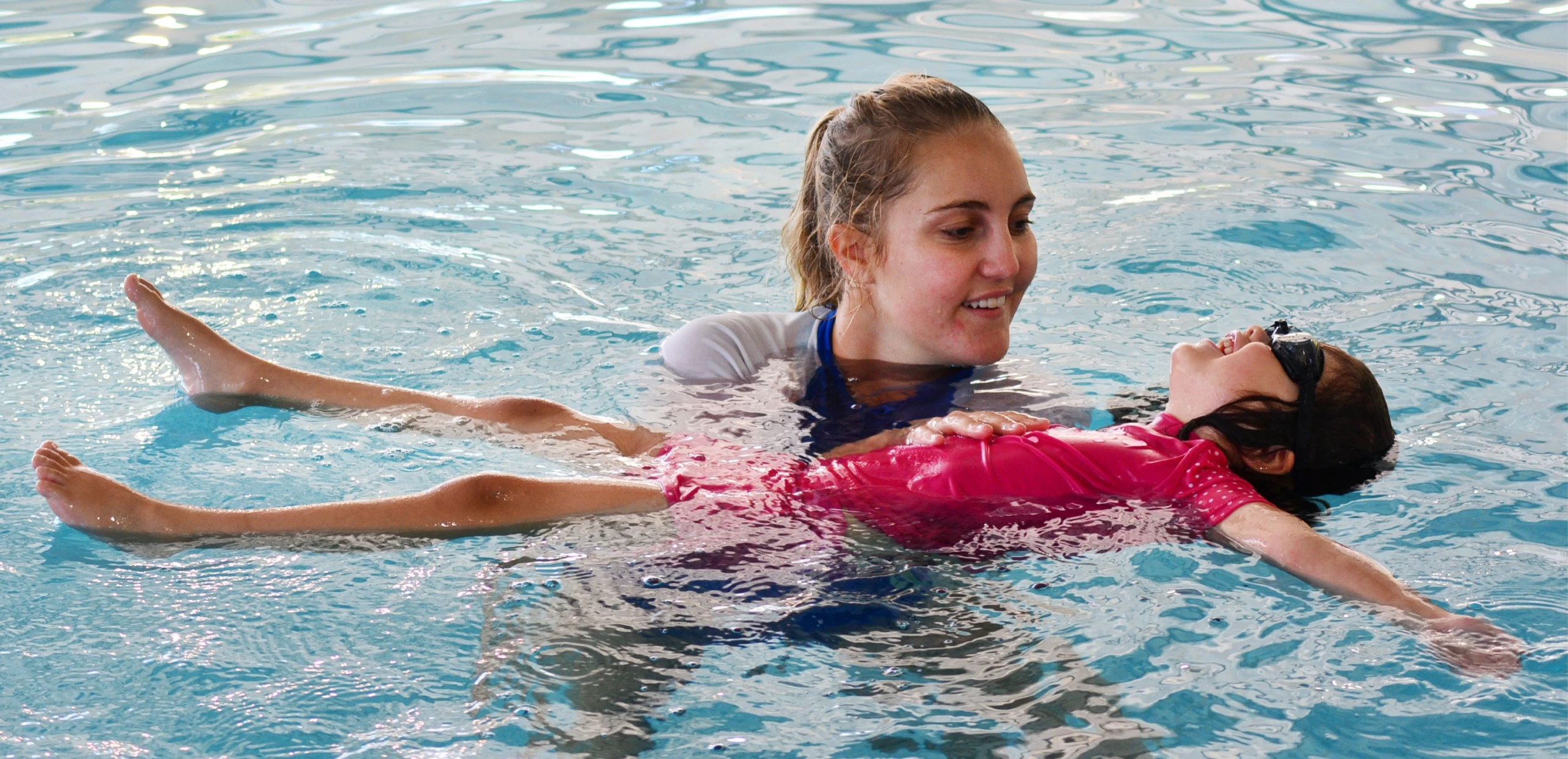
Your child may be ready to stop regular lessons when they can:
These match the swimming standard in the national curriculum, which expects children to swim at least 25 metres competently and to perform safe self-rescue by the end of primary school.
Your child’s feelings should play a big part in the decision. Forcing a child to keep going rarely helps. Encouragement works far better.
Pay attention to how lessons are affecting them. Are they tired, upset or anxious before lessons? Is their mood changing? If the downsides clearly outweigh the benefits, it may be better to take a break, deal with what’s worrying them, and try again later.
Listen to what your child isn’t saying, too. Some children won’t admit they want to stop because they don’t want to disappoint you. An open, relaxed conversation can help them speak up.
If your child is losing interest rather than struggling, a change can help: celebrating their progress, a new goal like a distance badge, or trying a swimming club.
Read more: How to help anxious children learn to swim
As a parent, your job is to guide, protect and provide. When deciding whether to stop lessons, safety should come first: physical safety in the water, and your child’s confidence and wellbeing.
Think back to why you started. If your goal was for your child to be safe and confident in the water, and they’ve reached that point, it may be the right time to stop.
Also think about their age and where they’ll be swimming. A child who swims well in a calm, warm pool may still need more practice before swimming in the sea, a lake or on holiday.
Stopping is a hard decision. Ultimately, it’s yours to make.
Read more: Holiday swimming crash courses in Southwest London
Your child’s swimming teacher sees them in the water every week, so their view matters. They can tell you how much progress your child has made, whether they’ve really mastered the basics, and what they could work on next.
If your child can confidently swim several lengths with good technique, their teacher may agree it’s a good time to stop. If they’re still struggling to stay afloat or need help with the exercises, more lessons will almost certainly help.
Teachers can also judge your child’s enthusiasm. A child who’s enjoying lessons and keen to learn more will keep improving. A child who seems switched off may need a different approach, a break, or a fresh challenge.
Read more: Why swimming can make children happier
Does your child have a health condition that swimming affects? Or a strong fear of water?
If your child has a severe fear of water (aquaphobia), speak to a health professional first. Lessons alone aren’t always the right way to treat a real phobia.
If your child’s doctor and swimming teacher both advise stopping, follow their advice. They’re putting your child’s wellbeing first. But learning to swim should be enjoyable and lessons should be about creating a happy place for children.
There’s no fixed age or moment. Sometimes one person makes the call. More often, it’s a mix of your child’s feelings, your goals, their teacher’s advice and their health.
A good rule of thumb: stop when your child can swim safely and confidently on their own and you’ve reached the goal you started with, or take a break if lessons are no longer working for them.
At Blue Wave Swim School, our teachers can assess your child’s swimming and give you honest advice on whether more lessons would help. We offer private 1:1, 1:2 and 1:3 lessons for children at Wimbledon College.
Follow us on Instagram for swimming tips and news.



A good swim school with professional staff


Blue Wave Swim is an outstanding swim school that I would highly recommend. The teachers are professional, patient, and genuinely care about every child’s progress. They keep a watchful eye on each swimmer, making safety their top priority while building confidence in the water.(May Achour July 2026).

October 6, 2026, Google Reviews
Highly Recommended. Our girls, two sisters aged 7 and 5, loved the teacher, looked forward to their semi-private courses, and made significant progress in two weeks (Mr B Mashhoodi September 2026).

October 6, 2026, Google Reviews
My son has been going to swimming lessons at Blue Wave in Wimbledon for a few years now and thoroughly enjoys it. The teaching is great and the lessons well run. Helps to prepare him for when we finally get to go on holiday again!

September 26, 2020, www.yell.com
Highly recommend
Highly recommend this swimming school. My daughter has been attending since she was 1 years old and she loves it. The teachers are very good with children and my daughter, who is now 4 years old is very confident in the water.

August 23, 2019, www.yell.com
Great
My daughter loves swimming! Since attending Blue Wave Swim School lessons her water confidence is high and that gives us peace of mind when she is playing near water. The staff are fantastic and the lessons are fun!

August 23, 2019, www.yell.com
Excellent Wimbledon Swimming School
Our children, now ages 9 and 7, have been taking lessons with Blue Wave since early 2017. They have made great progress with their swimming skills. We have been very impressed with the teaching and personalised attention both children have received. Best of all they enjoy and look forward to their lessons. The location is also convenient for Wimbledon residents.

August 23, 2019, www.yell.com
Kids love coming and I can see the development over the weeks. I can see the teachers laying down foundations for a lifetime of swimming – very reassuring as a parent and exactly why you choose a swimming school rather than go it alone
August 23, 2019, www.yell.com


 020 8090 1415
